Structural Inspection and Evaluation
Structural engineering topic
Structural Inspection and Evaluation
Inspection, investigation and evaluation of existing structures: their condition, the cause of any distress, and what it takes to keep them safe.
Expertise team · Condition Assessment and Insurance
 Talk to Kevin McCormick
Leads the team · direct line
Talk to Kevin McCormick
Leads the team · direct line

Topic Overview
The Problem
What brings clients to us for Structural Inspection and Evaluation
Signs you need a structural evaluation:
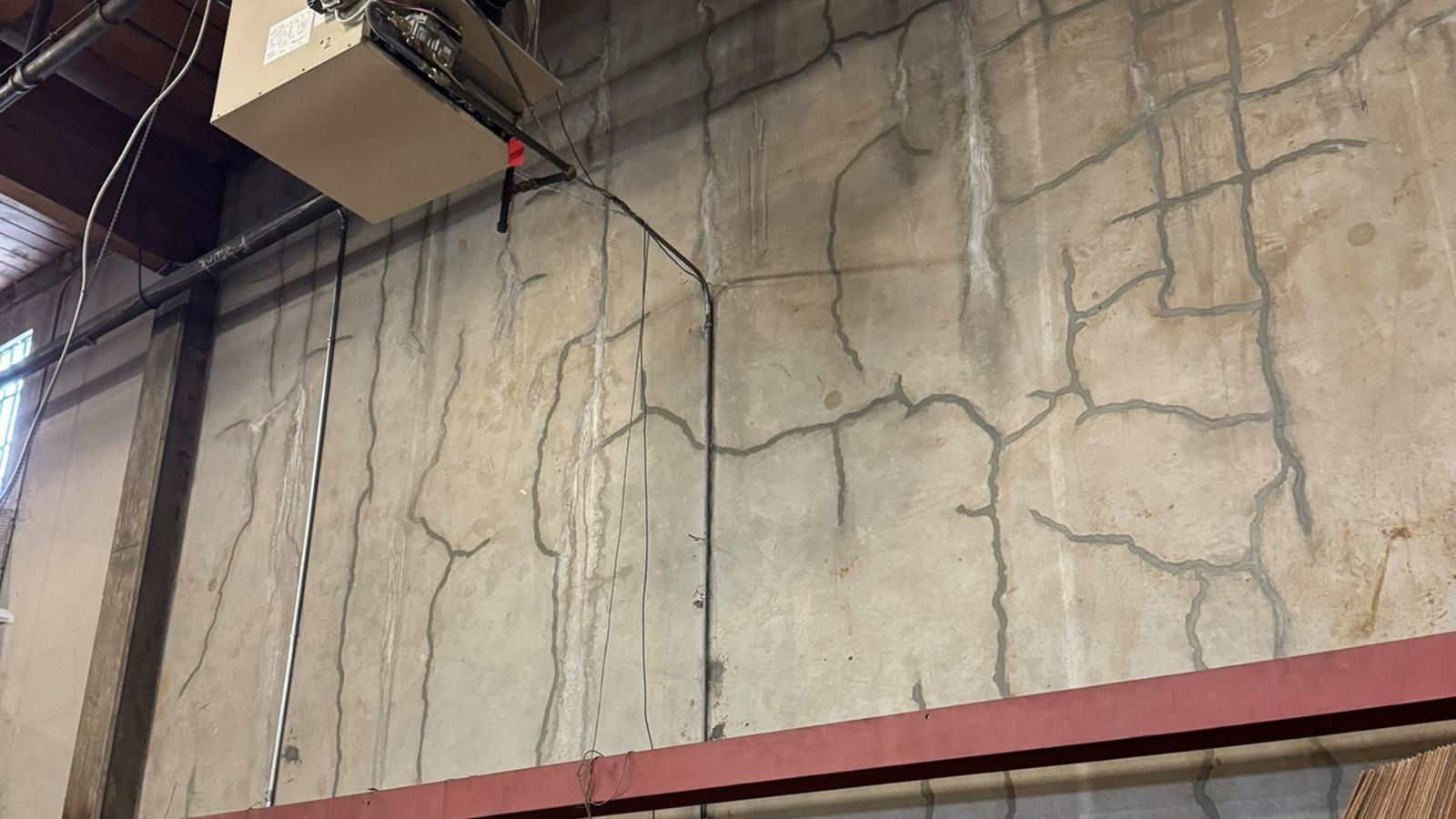
- Visual Warning Signs - you can see cracks, deterioration, sagging floors or beam or leaning structures, or doors and windows have started to stick.
- Physical Damage - something has happened to the building: a vehicle or a tree has hit it, or there has been a fire.
- Planned upgrades - you are planning a remodel, a tenant improvement or new equipment, and need to know what the structure can carry.
- Compliance and Transactions - Requirements from a buyer, lender, insurer or the building department has asked for an engineer's assessment.
- Unknown construction - the building is older or historic with unclear structural histories.
Buildings change over time. Materials age, uses shift, and past alterations add up. A structural evaluation tells you, in plain terms, what condition the structure is in, what is causing any distress, and what, if anything, needs to be done.
How It's Approached
What an engineer does, and what's involved
An evaluation starts with a question: “Is this crack a sign of a bigger problem?” “Can this floor support new equipment?” “Is the building still safe after a fire?” Answering these questions takes more than a quick look. It takes a deep understanding of how a building was constructed, evaluating the loads it carries against what it was designed to support, and tracing damage to its root cause. Our goal is to recommend solutions that address the problem itself, not just mask the symptoms.
- We review what we know. We start with available drawings, previous reports, and the building's history to understand how it was designed and what may have changed over time.
- We inspect the structure. On site, we normally start with a visual inspection of the structure. We often further investigate materials, connections, and load-bearing elements, looking for signs of damage, deterioration, movement, or other concerns. When needed, we recommend additional testing to better understand existing conditions.
- We analyze structural performance. We evaluate the structure against applicable building codes and the conditions it must withstand, including its own weight, occupancy, equipment loads, wind, and earthquakes. Depending on the project, this may involve engineering calculations, computer modeling, or both.
- We investigate the cause. When we find cracking, movement, or other damage, we look beyond the visible symptoms to understand what's causing the problem and whether it affects the structure's performance.
- We report our findings and recommendations. We explain what we found, what it means for the building, and what steps may be needed next, whether that's repair, strengthening, further investigation, or confirmation that the structure is performing as intended.
What You Receive
What you receive from us
- Inspection: Initially you will receive a verbal summary, and have the option of a written summary of findings. These include our observations, assessment of the structure's condition, and conclusions.
- An understanding of the problem: The likely cause and significance of any damage or distress identified.
- Clear recommendations: Practical next steps, which may include repairs, strengthening, additional testing, or no further action.
- Repair or strengthening plans, when needed: Stamped engineering drawings and details for recommended work, when included in the project scope.
Who Does What
What we do, and what others do
Miller Consulting Engineers
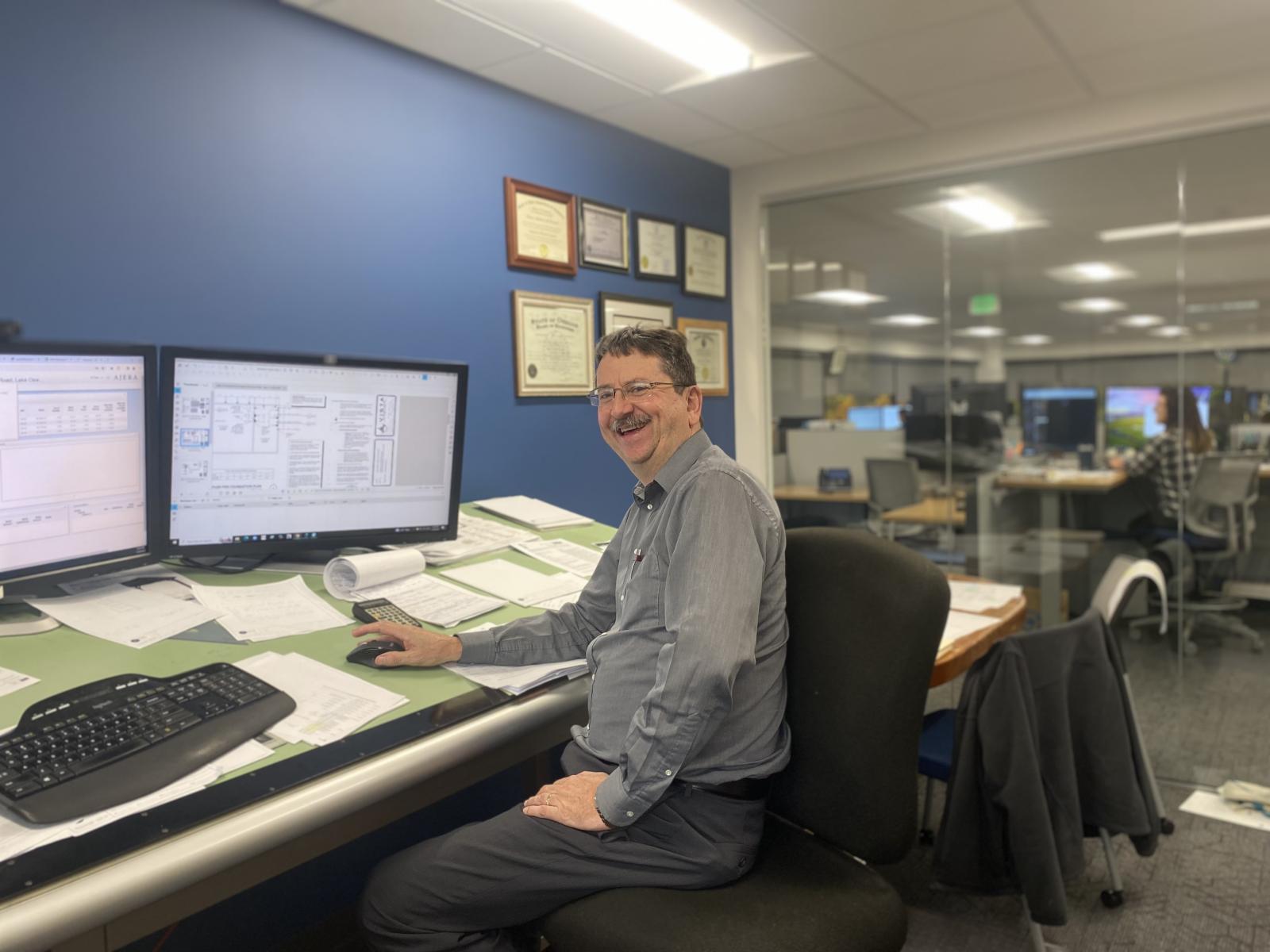
We inspect, investigate and analyse the structure, report what we find, and design any repairs or strengthening.
Owner, property manager or tenant
Provide access to the structure, along with any drawings and/or history of the building. Determine the scope of services.
Testing laboratory
When materials need testing, the lab will carry out the tests specified by the engineer.
Contractor
Make repairs/strengthening specified within the engineer's drawings.
Insurer, lender or building department
Where one is involved, relies on our findings for a claim, a purchase or a permit.
Questions People Ask
Common questions about Structural Inspection and Evaluation
What is the difference between a home inspection and a structural evaluation?
A home inspector looks over the whole building and flags concerns. A structural engineer evaluates the structure itself (foundation, framing, connections) and can tell you why something is happening and how to fix it.
Do you evaluate damage after a vehicle impact or a fire?
Yes. We assess what was damaged, whether the structure is safe, and what repairs it needs.
Can our building take a remodel or new equipment?
That is a common question for us. We check what the existing structure can carry and what, if anything, has to change.
Do you work on older and historic buildings?
Yes. Many of our evaluations are of older and historic buildings, among them Mount Angel Abbey and the Oregon State Capitol rotunda.
Will an evaluation always find something wrong?
No. Often the answer is that the structure is adequate as it is, and the report indicates this.