Foundation Cracks and Settlement: When Is Repair Needed?
Structural engineering topic
Foundation Cracks and Settlement: When Is Repair Needed?
When cracks, settling or a sloping floor mean an engineer should look: what we check, what you receive, and whether repair is needed.
Expertise team · Condition Assessment and Insurance
 Talk to Kevin McCormick
Leads the team · direct line
Our work in this area All 5 projects →



Topic Overview
The Problem
What brings clients to us for Foundation Cracks and Settlement: When Is Repair Needed?
Is this normal, or should I worry?
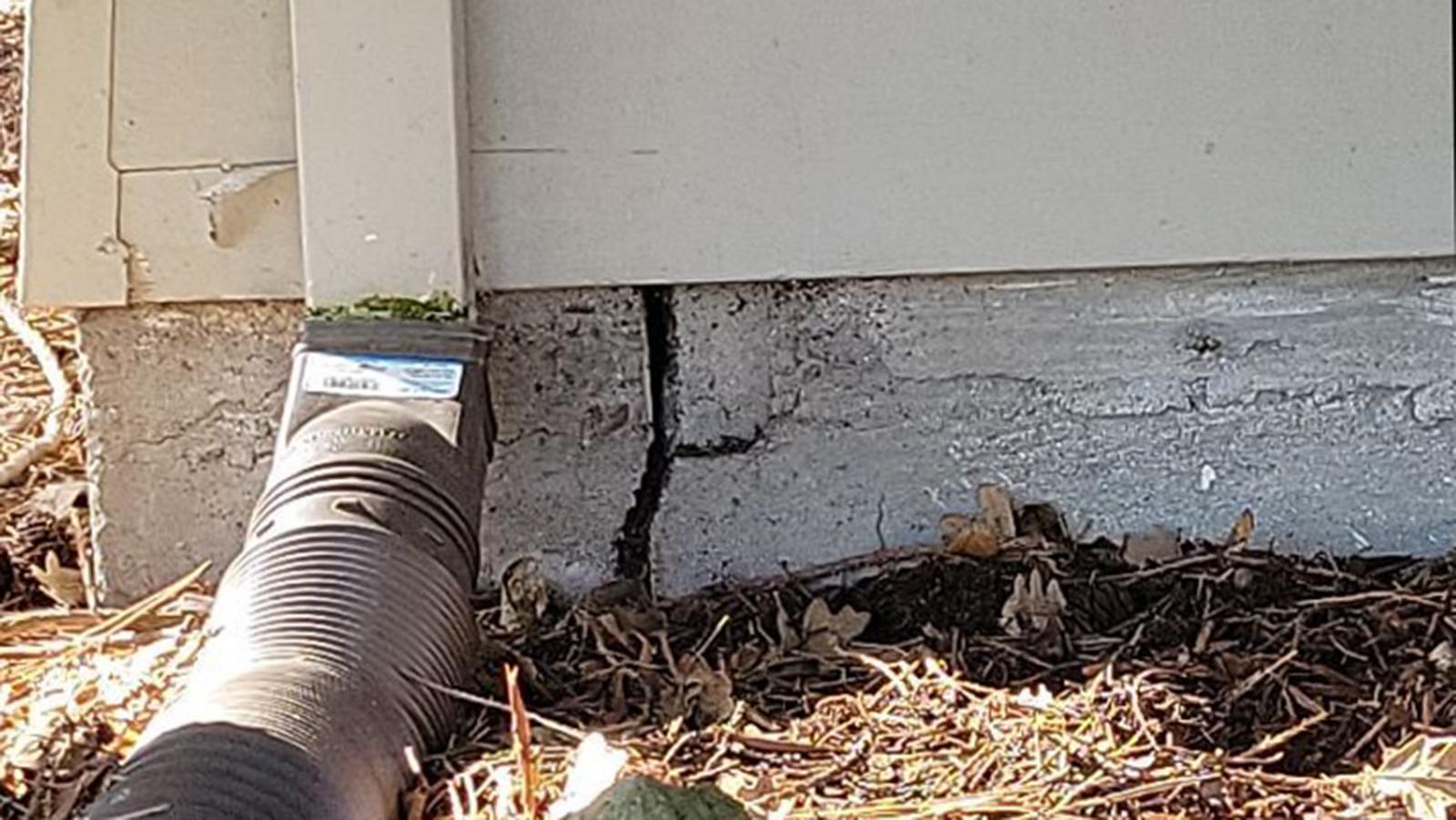
That is the question we hear most often. Some concrete cracks are normal; some are not. Signs worth having a structural engineer take a look:
- Wide, growing or offset cracks - A crack you can fit a coin edge into, one that has grown since you first noticed it, or one where one side sits higher than the other.
- Horizontal cracks or bowing walls - A horizontal crack in a basement or crawlspace wall retaining soil, or a wall that leans or bows inward.
- Stair-step cracks - Cracks that travel through the joints of brick or block, moving horizontally to follow the mortar (appearing like a stair.)
- Movement elsewhere in the house - Floors that slope or sag, doors and windows that stick or no longer latch, gaps opening between walls and floors or ceilings.
- Cracks that come back - Cracks that reopen after they have been patched.
- Someone has asked for an engineer - A home inspector, a lender, an insurer or a buyer wants an engineer's evaluation.
- A repair has been proposed - A repair company has proposed piers or underpinning, and you want an independent opinion before you commit.
Most houses crack. Concrete shrinks as it cures, and thin vertical cracks in a foundation wall are common and usually not structural. What matters is the pattern: how wide the cracks are, which way they run, whether they are still moving, and where they are located. An engineer reads that pattern and tells you whether it is cosmetic, settlement that is continuing and needs a repair, and if so, which repair.
How It's Approached
What an engineer does, and what's involved
A crack is a symptom; the work is finding its cause. The same crack can come from shrinkage, from water around the foundation, from soil settling under one corner, or from a slope that is moving, and each calls for a different answer. Sometimes the right answer is no repair at all. Identifying the cause first helps ensure you invest in the right repair—not an unnecessary one.
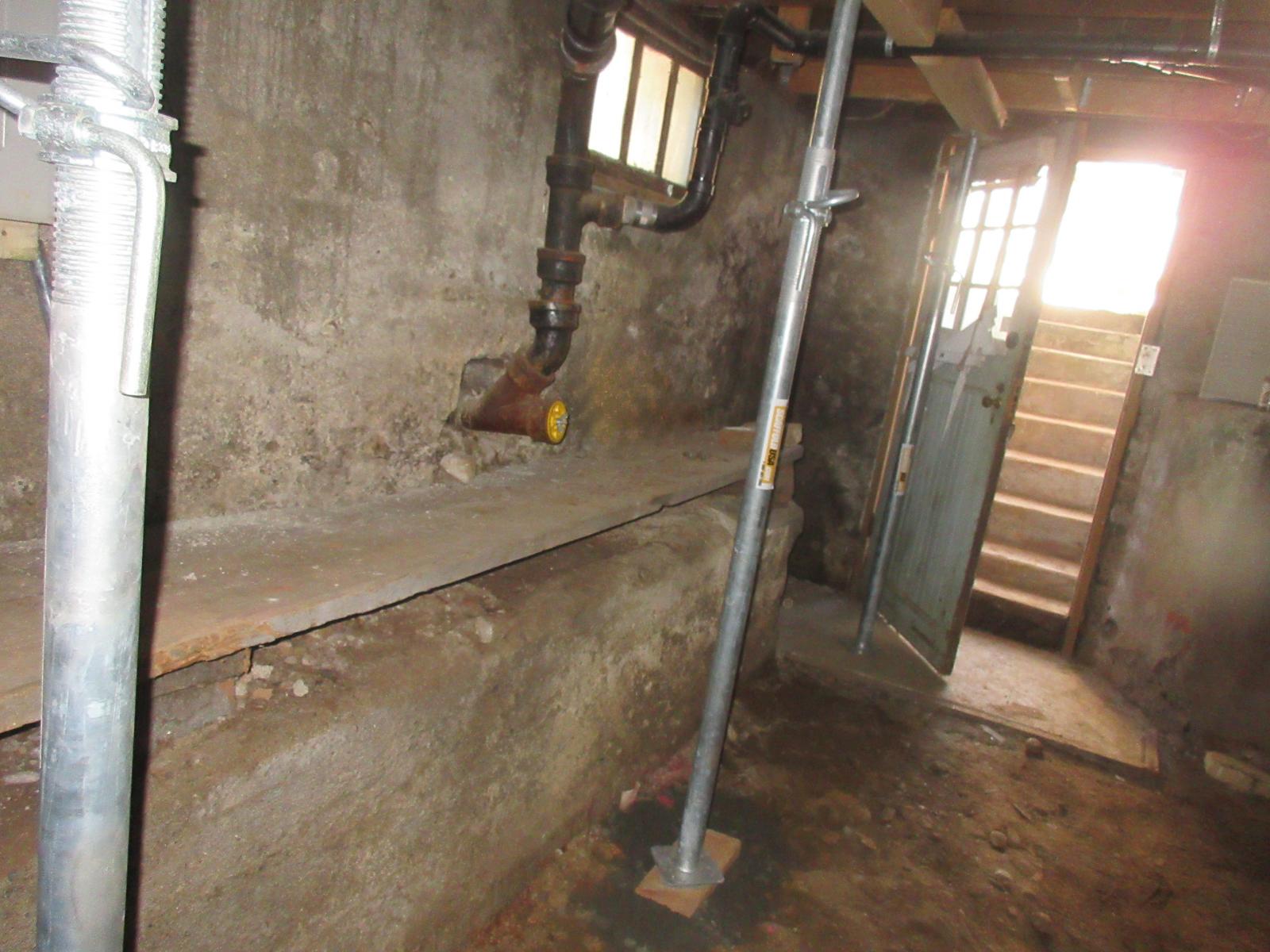
- Site visit - An engineer observes and measures the cracks, checks floor levels, doors and windows, looks at the basement or crawlspace, and looks at drainage and the ground around the house.
- Finding the cause - We review the structure to determine whether the movement is related to settlement, expansive soil, water, slope movement, or original construction—and whether it is ongoing. If the cause or extent of movement is unclear, we may recommend monitoring the cracks over time.
- Soils, when the ground is the question - When foundation movement may be related to unstable soil, expansive soils, slope movement, or other subsurface conditions, coordination with a geotechnical engineer may be needed to evaluate the underlying cause. We then incorporate their findings into our recommendations and repair design.
- Repair design - When repairs are needed, we provide recommendations in a letter or prepare stamped repair drawings that contractors can price, submit for permitting, and use to complete the work.
- A second opinion - If you already have a repair proposal, we can review the recommendations to determine whether the underlying cause is addressed and whether the proposed scope of work is appropriate for the conditions.
- During and after construction - We can observe the repair as it is built and confirm in writing that it was completed as designed.
What You Receive
What you receive from us
- An initial verbal consultation identifying what we see, and identify a path forward.
- An optional written evaluation: what we observed, the likely cause, whether it is structural, and what we recommend.
- If a repair is needed, recommendations in a letter, or stamped repair drawings for pricing, permit and construction.
- Where the soil needs investigating, the scope for the geotechnical engineer.
- After the repair, a letter confirming the work, useful for a sale, a lender or an insurer.

Who Does What
What we do, and what others do
Miller Consulting Engineers
Evaluates the structure, finds the cause, designs any repair, reviews repair proposals, and observes the repair work. We do not carry out repairs, so our advice is independent of whoever completes the repair.
Owner or buyer
Arranges access, tells us the history (when the cracks appeared, any past repairs), and chooses the contractor.
Geotechnical engineer
Investigates the soil, identifies soil properties used for design, provides soil inspection during construction.
Foundation repair contractor
Builds the repair to our letter or drawings.
Testing Lab
Performs required material testing, observations or soil testing during construction.
Home inspector
Often the first to notice the problem. An inspection report is a useful starting point for us.
The City
Issues the permit if a structural repair requires one.
Questions People Ask
Common questions about Foundation Cracks and Settlement: When Is Repair Needed?
Is my foundation crack normal, or should I worry?
Many cracks are normal. Thin vertical cracks from concrete shrinkage are common and usually not structural. A crack that is wide, growing, horizontal, stair-stepped or offset deserves an engineer's look, and so does any crack that comes with movement elsewhere: sloping floors, sticking doors, gaps at the ceiling.
When is foundation repair needed?
When the movement is continuing, or has left part of the structure unable to do its job. Settlement that has stopped often needs no structural repair at all. An evaluation tells you which, before you pay for a repair.
Do I need a structural engineer or a foundation repair company?
A structural engineer evaluates the problem, determines whether a repair is needed, and recommends the appropriate solution and scope of work. A foundation repair contractor carries out the repair. Starting with an independent engineering evaluation helps ensure the proposed work addresses the underlying cause and is appropriate for your home.
How much does a structural engineer's foundation evaluation cost?
Costs can vary widely based on the scope of services needed. Initial evaluations typically range from $750 to $2000.
Is my house still settling?
Sometimes one visit is enough; sometimes settlement is seasonal, affected by weather conditions, and requires monitoring over a longer period. We will tell you which, and why.